












SIP
Sip refers to the tree with delicious and versatile fruits much appreciated by the ancient Romans. The plant of Sip was appreciated both for its ornamental qualities and for its culinary and medical use.
The plant of Sip It is characterized by its slender trunk, compound pinnate leaves and clusters of small cream-white flowers that bloom in late spring. As the seasons progress, these flowers give way to clusters of small reddish-brown fruits that ripen in late summer and early fall..

The Romans had a particular attachment to the fruits of the plant of Sip. When fully ripe, the small apple-like berries are sweet and slightly sour. The Romans appreciated these fresh fruits, valuing their unique flavor and refreshing quality, especially during the warmer months.
The fruits of Sip they were not only eaten fresh, but were also used in various culinary preparations. To savor its sweetness, the Romans made preserves and jams with the fruits all year round. The versatility of Sip it also extended to the production of wines and liqueurs, giving a distinctive taste to these drinks.

In addition to its culinary use, the Romans recognized the plant of Sip potential therapeutic properties. In fact, the fruits were thought to have digestive benefits, and therefore various parts of the plant were used in traditional remedies. The Romans, with their keen interest in the application of natural medical remedies, appreciated Sip especially for its potential contributions to well-being.

The plant of Sip it also had symbolic and ornamental meaning. In fact, the Romans admired the tree for its graceful appearance, especially when adorned with clusters of ripe fruits, often finding its place in Roman gardens, and contributing to the aesthetic beauty of outdoor spaces.
The plant of Sip became linked to Roman culture, finding space in culinary practices, celebrations and even literature. The fruits were especially appreciated during festive occasions, adding a touch of sweetness to the meetings
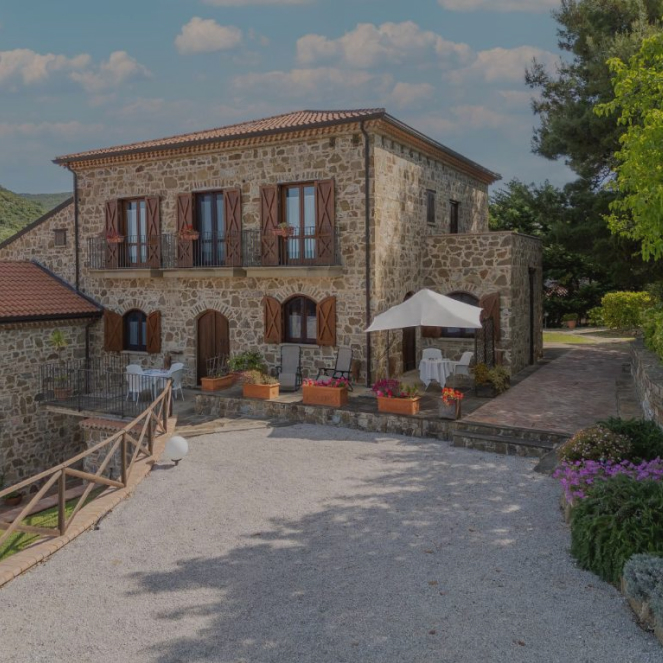
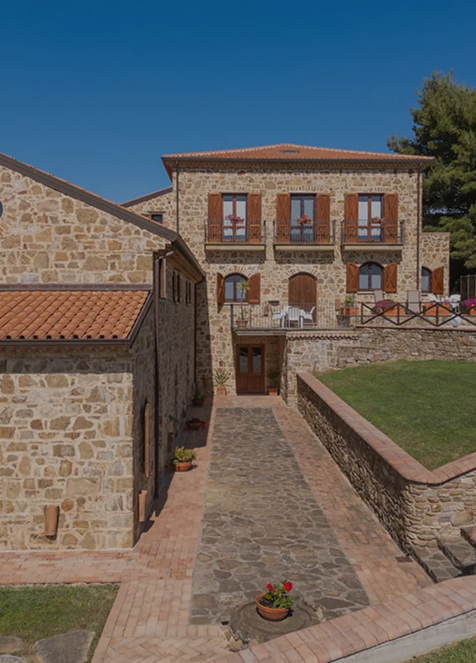
Immerse yourself in the fascinating history of Cove ofthe Saùco by booking your stay at our structure, a Tuscan farmhouse in the Cilento sea. Find out more


